Uncategorized
-
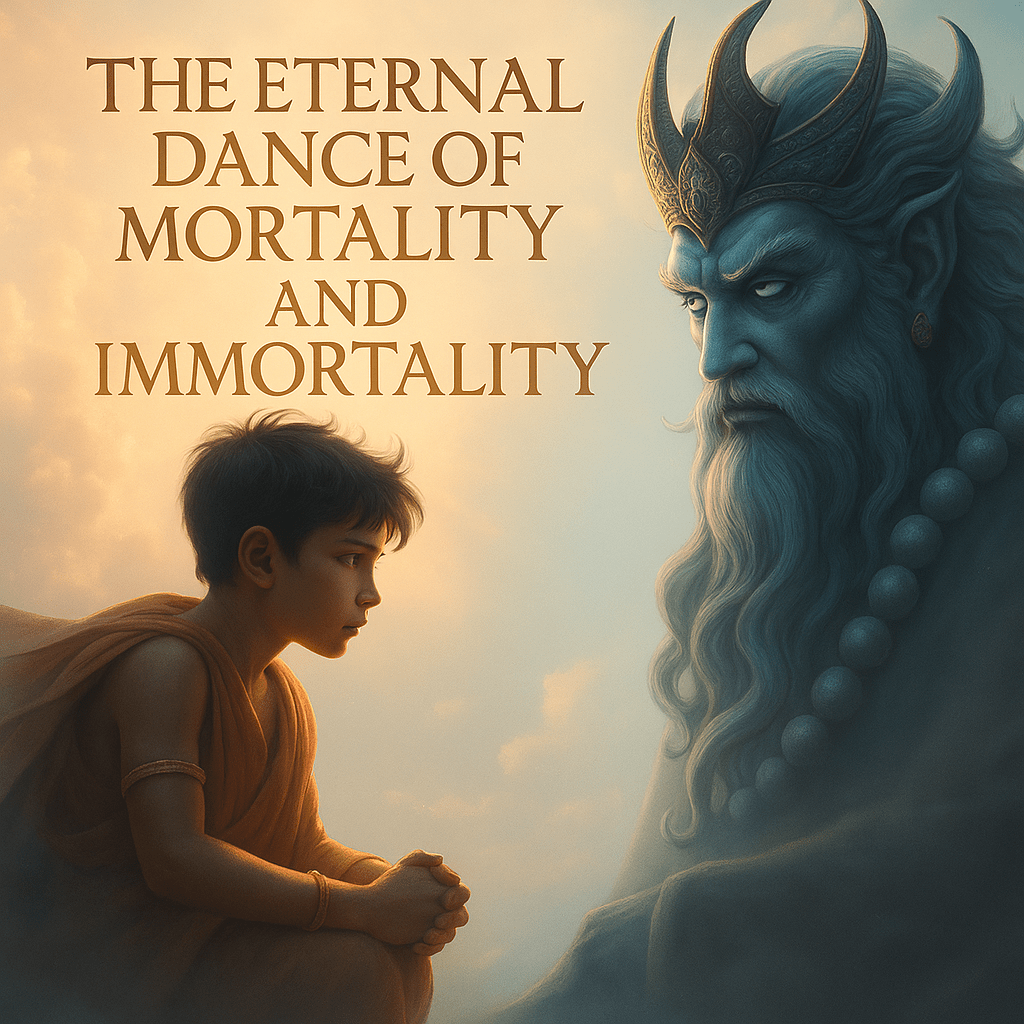
Among the eternal truths whispered across the universe lies the profound dialogue between Nachiketa, the fearless seeker, and Yama, the Lord of Death. This timeless exchange, chronicled in the “Katha Upanishad”, delves into humanity’s deepest questions: What is the nature of existence? What lies beyond death? And what is the essence of the Self?
-
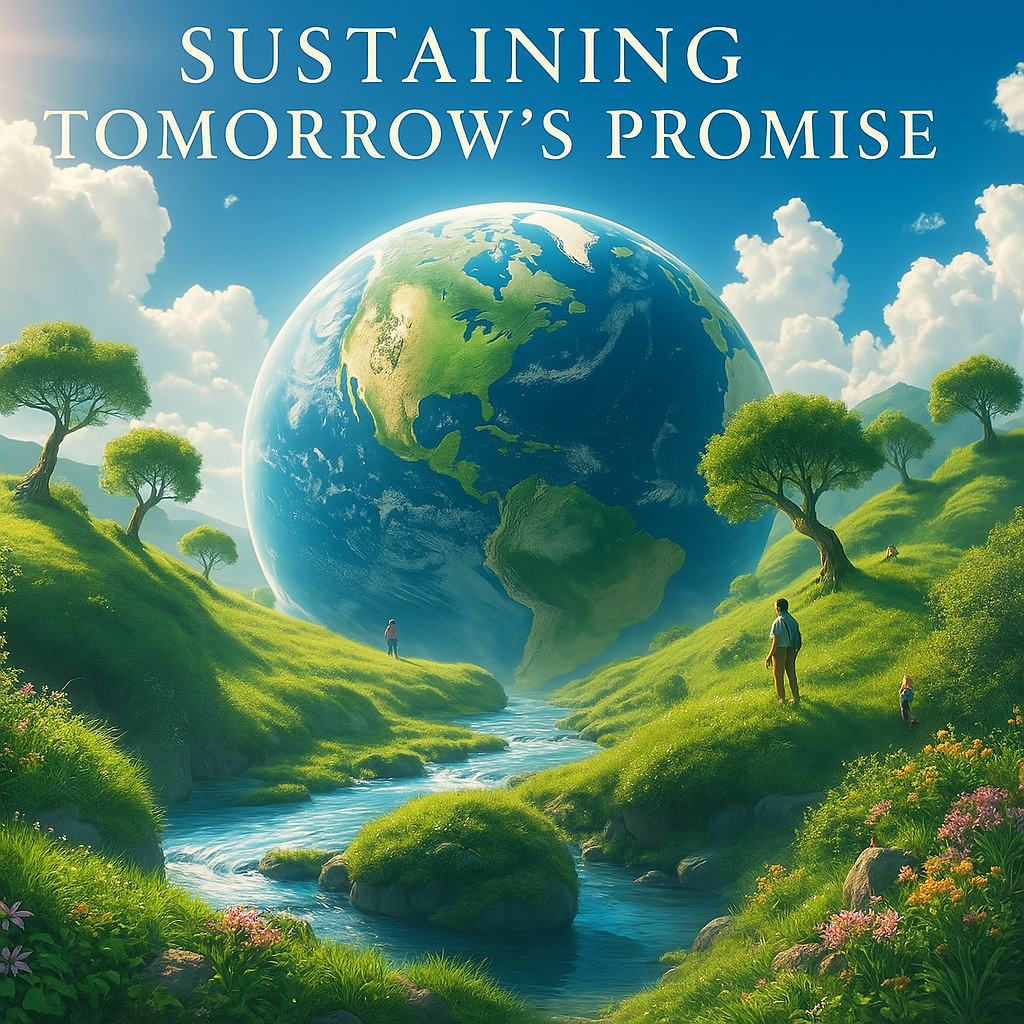
The Earth provides life-sustaining resources, yet our consumption can endanger its fragility. Our choices affect future generations, highlighting the importance of mindful consumption and the responsibility to protect the planet for those to come. Beneath the sky of endless blue,The earth provides for me and you.A bounty vast, a sacred trust,To cherish well,
-

We all have things we wish we could change: small mistakes and regrets that we want to forget. They stay in our minds, like skeletons in the closet, holding us back from being our true selves. So, we wear layers: bright smiles and rehearsed gestures that come naturally. Beneath our layers, we are vulnerable
-

“Kiska Rasta Dekhe,” a poignant gem from the 1973 film Joshila, directed by Yash Chopra, captures the delicate pain of waiting and longing. Starring Dev Anand, Hema Malini, and Rakhee, the film weaves a story of love, betrayal, and the human struggle to find meaning in uncertain times. This haunting song by R.D. Burman,
-

There are moments when existence feels like a quiet flame, flickering in a world that often forgets it. In such moments, time moves not with the force of thunder but with the gentleness of wax dripping from a candle, unnoticed but inevitable. This poem explores the paradox of endurance; how, despite the silent erosion
-

Love doesn’t always announce itself with thunder. Sometimes, it tiptoes in with a giggle, hides in a twirl, and wraps itself in melodies that only two hearts can hear. This poem is a celebration of that moment, when time forgets to tick and all that remains is music, movement, and someone worth dancing through
-

Rabindranath Tagore’s “Jagorane Jay Bibhabori” is a powerful reflection of deep human feelings, focusing on themes of longing, sleeplessness, and the sadness of missing a loved one. Written in September-October 1918, this song expresses Tagore’s personal sorrow for his daughter, Madhurilata (known as Bela), who was seriously ill with tuberculosis. She sadly passed away
-

There are tales whispered on the edges of the tide of a woman neither born nor made, but conjured from longing itself. She exists where memory meets water, where myth merges with mourning. She is the soul of the ocean’s lament, the ghost of every goodbye never uttered. This poem follows her silent vigil, her
-

Rabindranath Tagore’s “Charana Dharite Diyo Go” (“Allow me to touch your feet”) is a poignant prayer-song composed on May 17, 1914, at Ramgarh in the Himalayas. It is believed that Tagore wrote this piece in remembrance of his father, Maharshi Debendranath Tagore, whose 97th birth anniversary was on May 15, 1914. The song was
-

Life is borrowed; a fleeting melody we can never hold. Everything we touch, from fleeting moments to love itself, passes through us. But in this transience, there is a quiet beauty. This poem speaks to that sacredness, urging us to embrace the fragile passage of time, even when we know it cannot last.
 Addy's Verse