
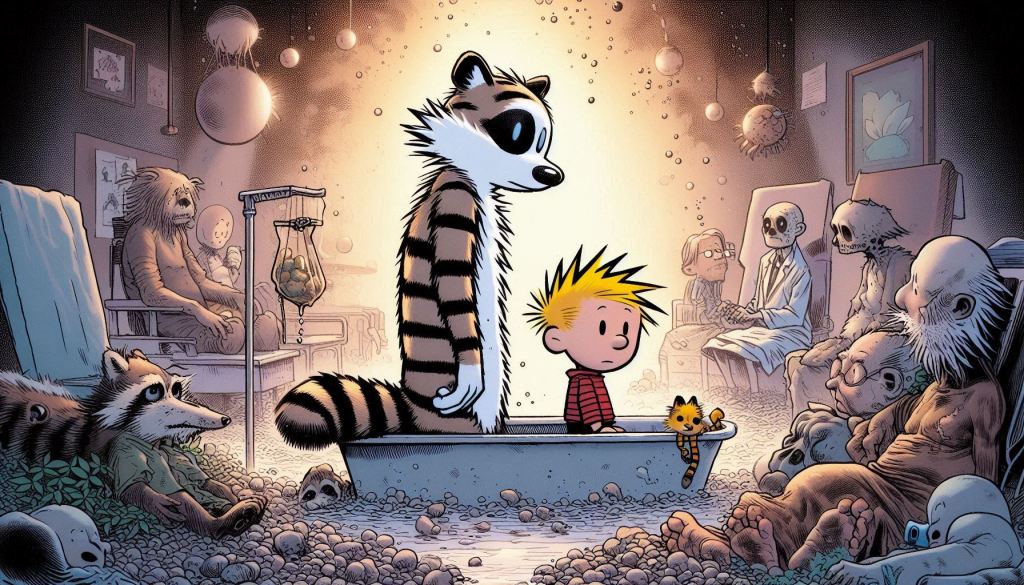
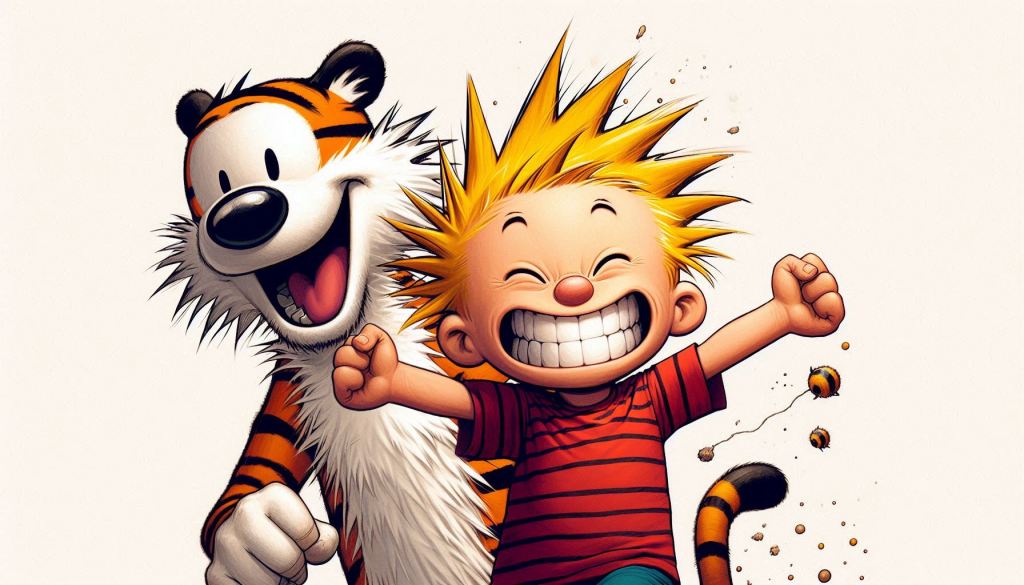
In “The Sick Raccoon” story arc of Calvin & Hobbes, Bill Watterson explores themes of mortality and impermanence through Calvin’s experience with a young raccoon’s illness, blending hope, humour, and sorrow as he confronts death for the first time.
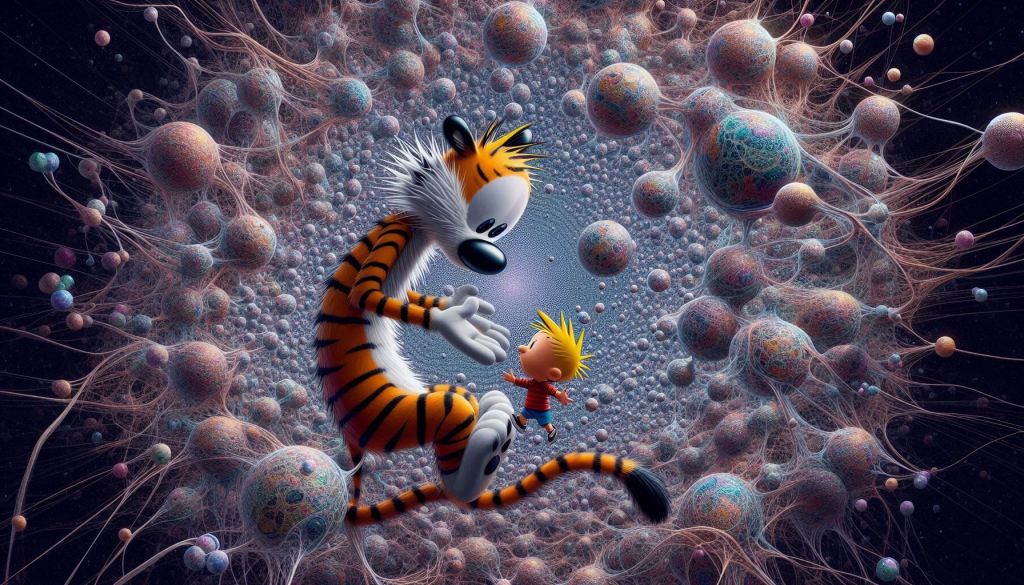
This reflective poem highlights the interconnectedness of all life, emphasizing that even the smallest creatures partake in the cycles of existence. It acknowledges that love and memory extend beyond life’s limits, allowing us to preserve the essence of those lost and cherished moments. This enduring connection binds us together, affirming that despite change, our relationships remain steadfast and vital to our being.
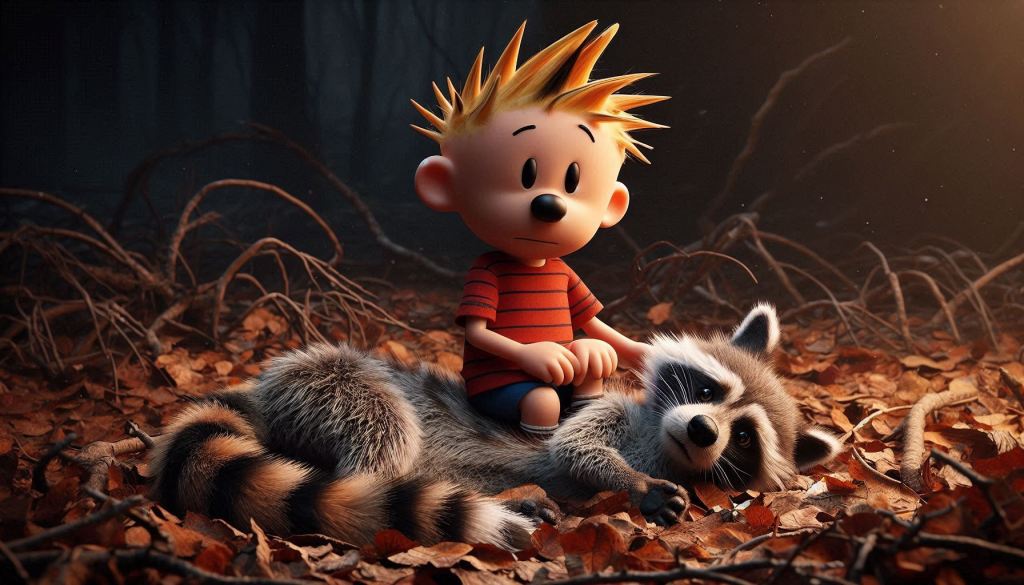
A raccoon lay still, barely a breath,
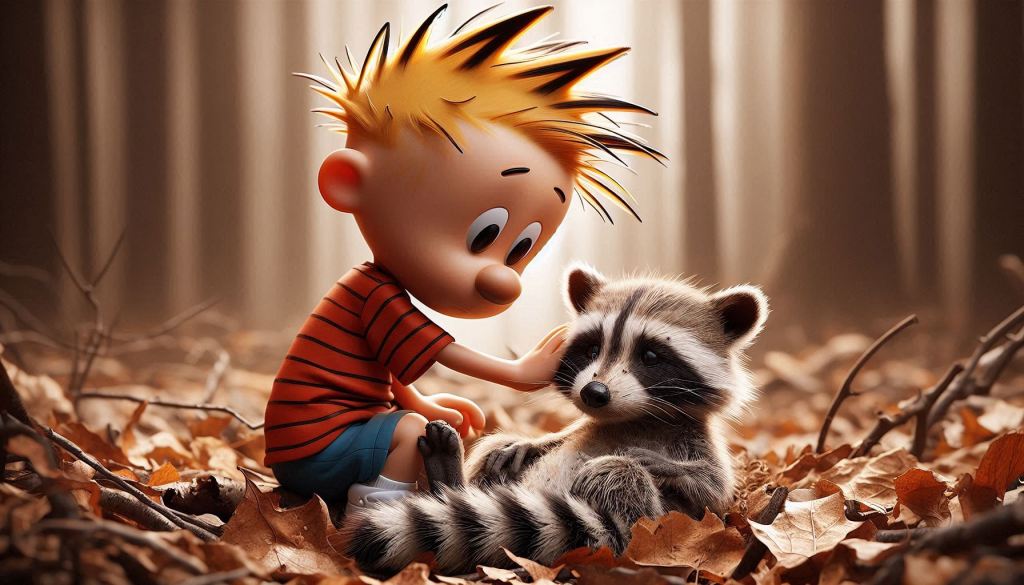
Calvin crouched down, pondering death.
“Will he be alright?” he asked, unsure,
In that quiet moment, so pure.

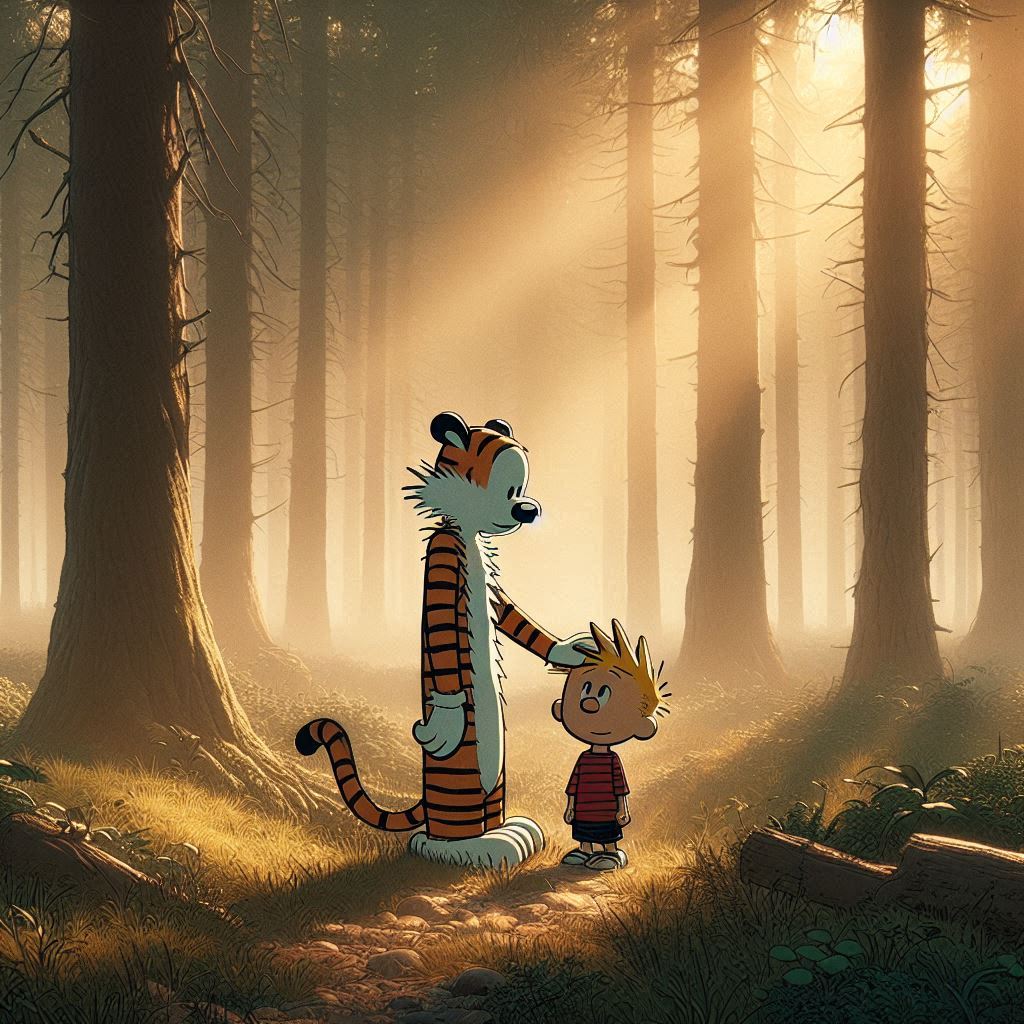
I, Hobbes the tiger, patted his head,
“Life’s just a thread,” I softly said.
“Like leaves or seasons, we drift and sway,
And sometimes we’re here, then fade away.”
But Calvin, unyielding, held tight his gaze,
Lost in a young boy’s innocent daze.
“Stay with us, raccoon, don’t let go,
Tomorrow holds wonders you need to know.”
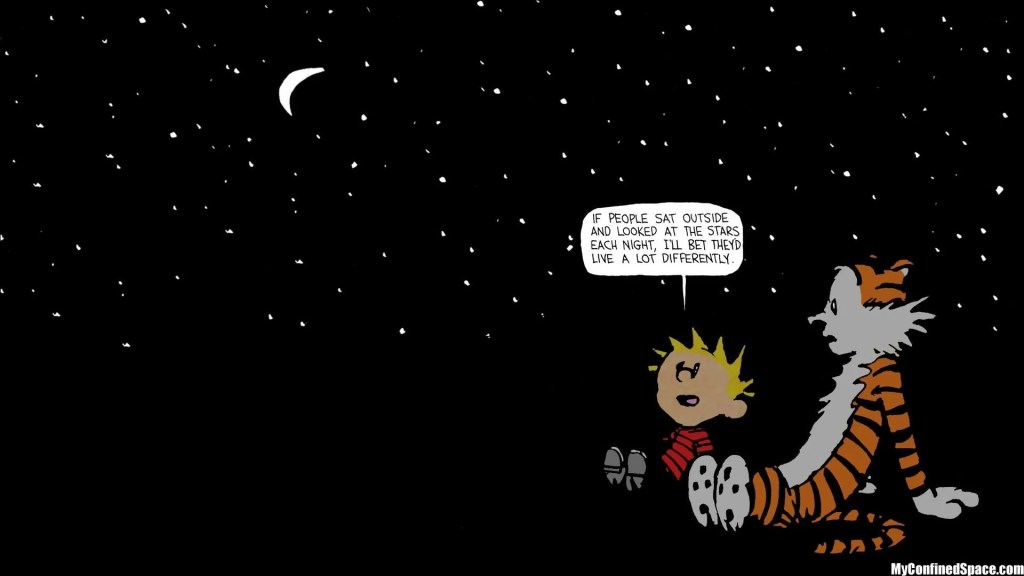
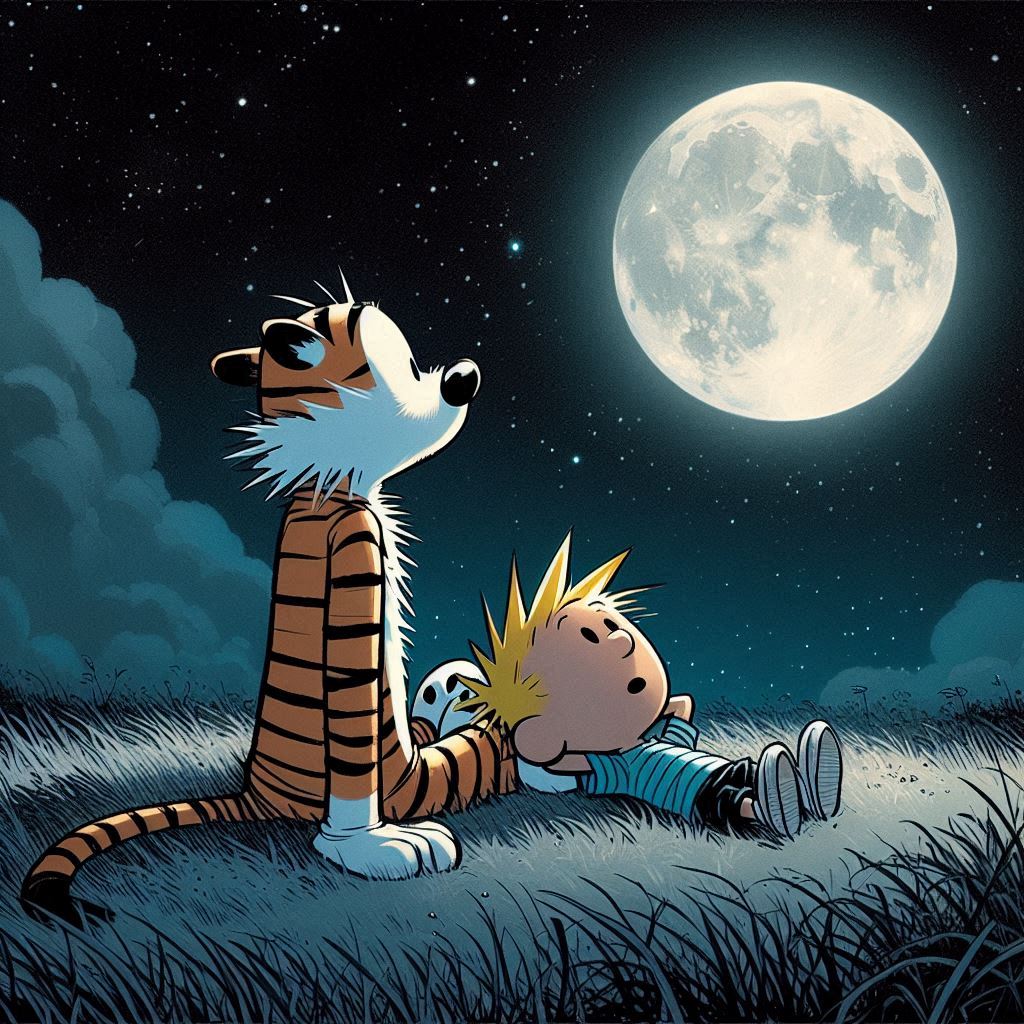
Through hours of twilight, we watched side by side,
With jokes and hopes that could not abide.
The stars winked at us, as if in jest,
Yet Calvin’s heart held a silent protest.
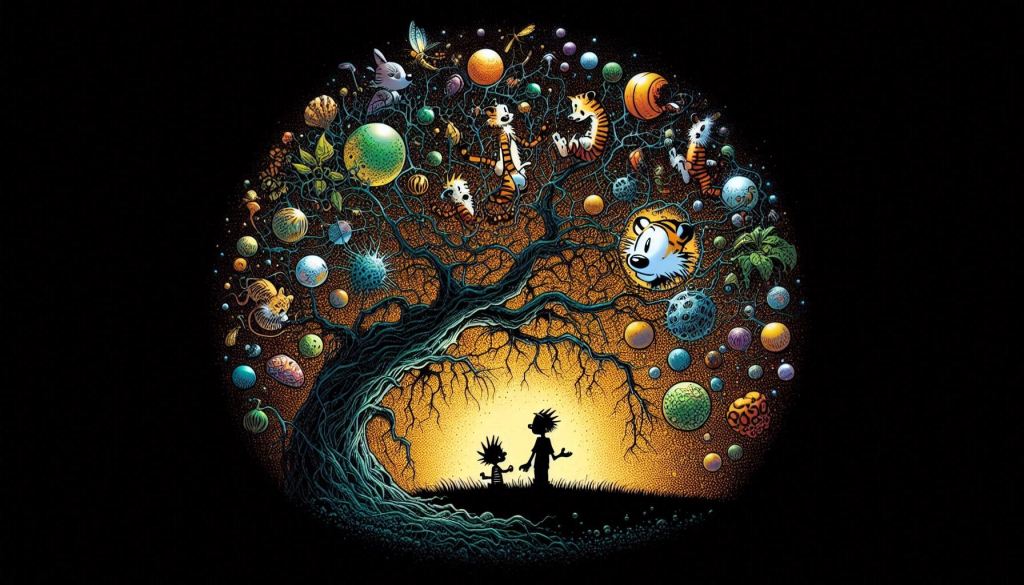
“Do you think he’ll remember us?” he asked in a tear,
“In some great raccoon sky, somewhere clear?”
I gave him a smile, a tiger’s wise nod,
And said, “Love’s a language, understood by God.”
At dawn’s pale light, when we knew he’d gone,
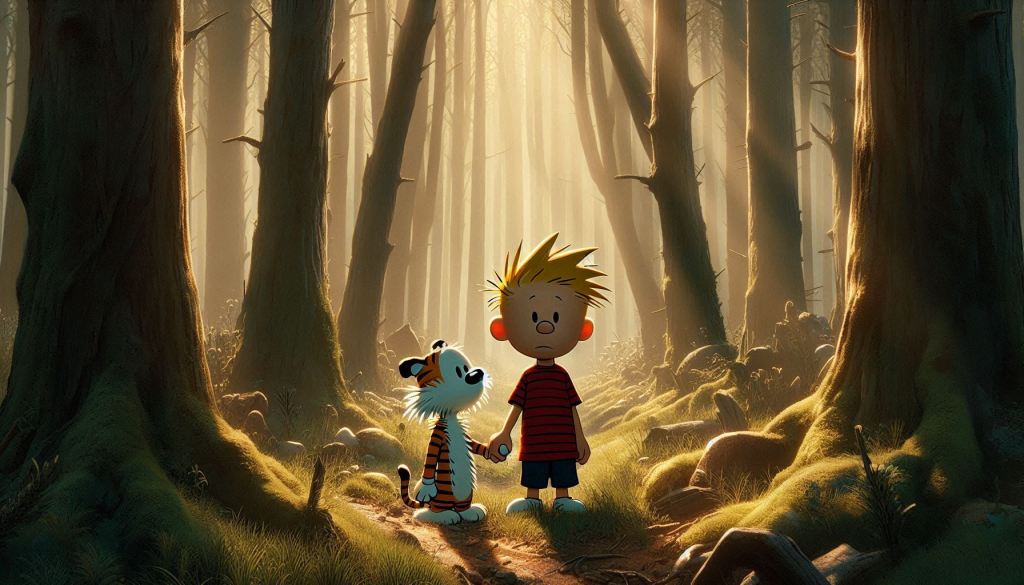
Calvin grew quiet, withdrawn, forlorn.
“What’s the point?” he asked with a sigh,
“If we live only to say goodbye?”
Such questions linger, hauntingly fair,
Why love at all, if life isn’t there?
Yet in holding his paw, Calvin learned this truth:
To love is to honor both sorrow and youth.
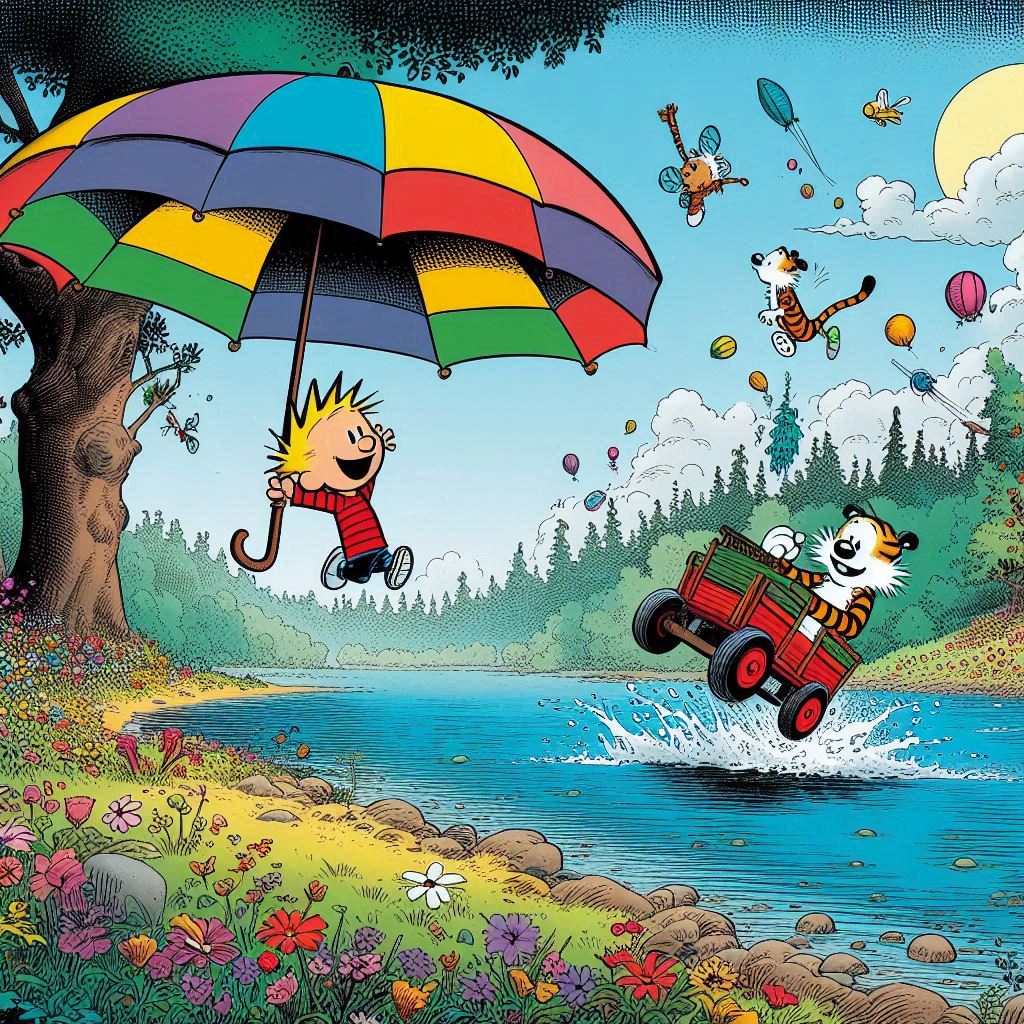
For even in loss, some warmth remains,
In a child’s memory, in life’s refrains.
The raccoon may have faded, but his spirit stays,
A quiet reminder in life’s fleeting days.
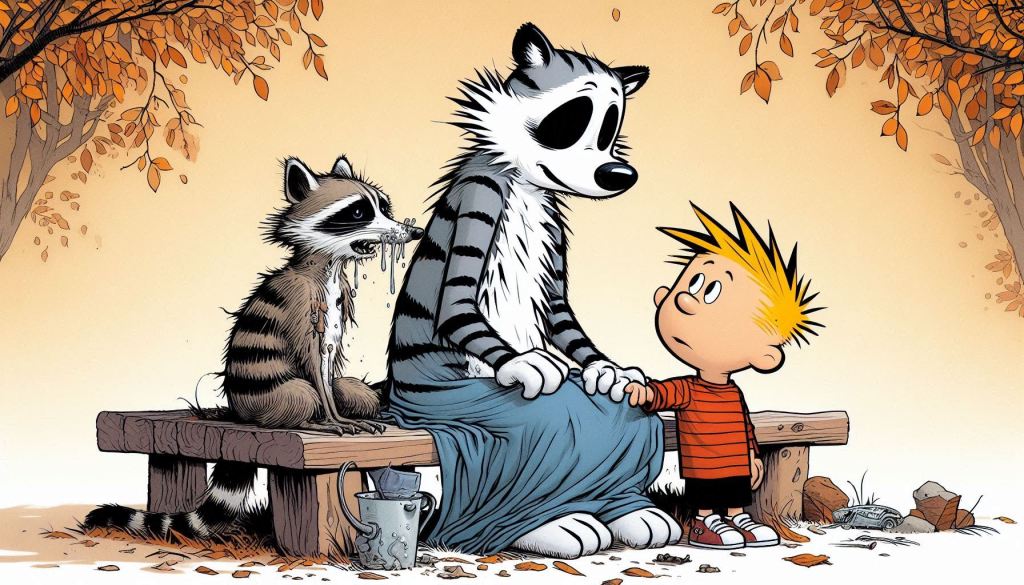
In the aftermath of the raccoon’s death, Calvin confronts the inevitability of mortality and questions the significance of attachments in life, ultimately finding meaning through his acts of love and care for the raccoon.
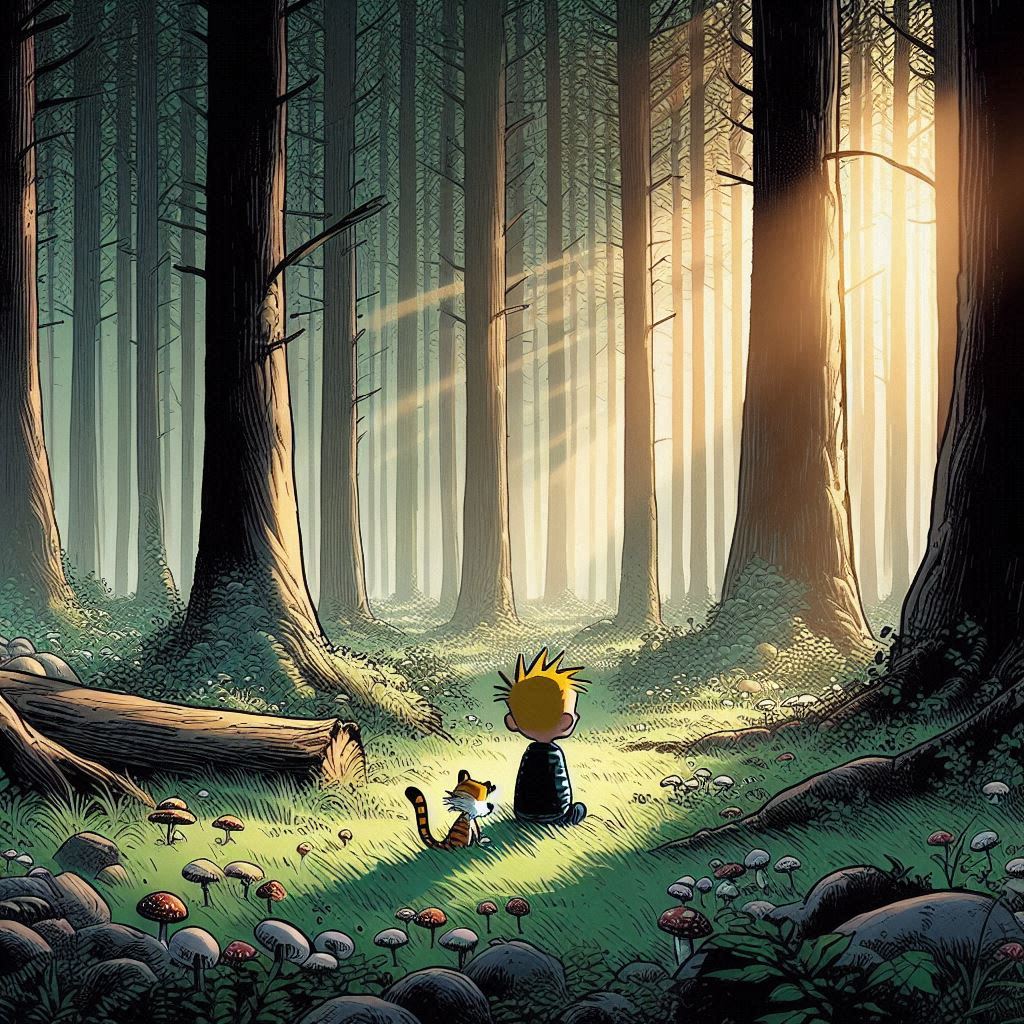
Love serves as a means to honor life, transforming memories into lasting connections that deepen our existence, illustrating that what we cherish are the moments that make us feel truly alive.


 Addy's Verse
Leave a reply to Aditya Jhunjhunwala Cancel reply