


To speak to a river is to speak to time; moving, ungraspable, yet quietly watching. We cry out to it… not to change its course, but to find in its motion a mirror of our own impermanence. We place our questions like fallen leaves on its surface, knowing it will carry them far away, without answer. This poem is born from that knowing; from the ache of memory, and the soft wisdom of forgetting. It is both song and sorrow, reflection and release.

Why does the river not pause to grieve,
For the broken oars and fallen leaves?
What dreams lie drowned beneath its song,
That no returning wave makes right or wrong?

You kiss the shore, then drift apart,
Never once look back at heart.
You hold the tears, but not for long,
You move ahead, you hum your song.
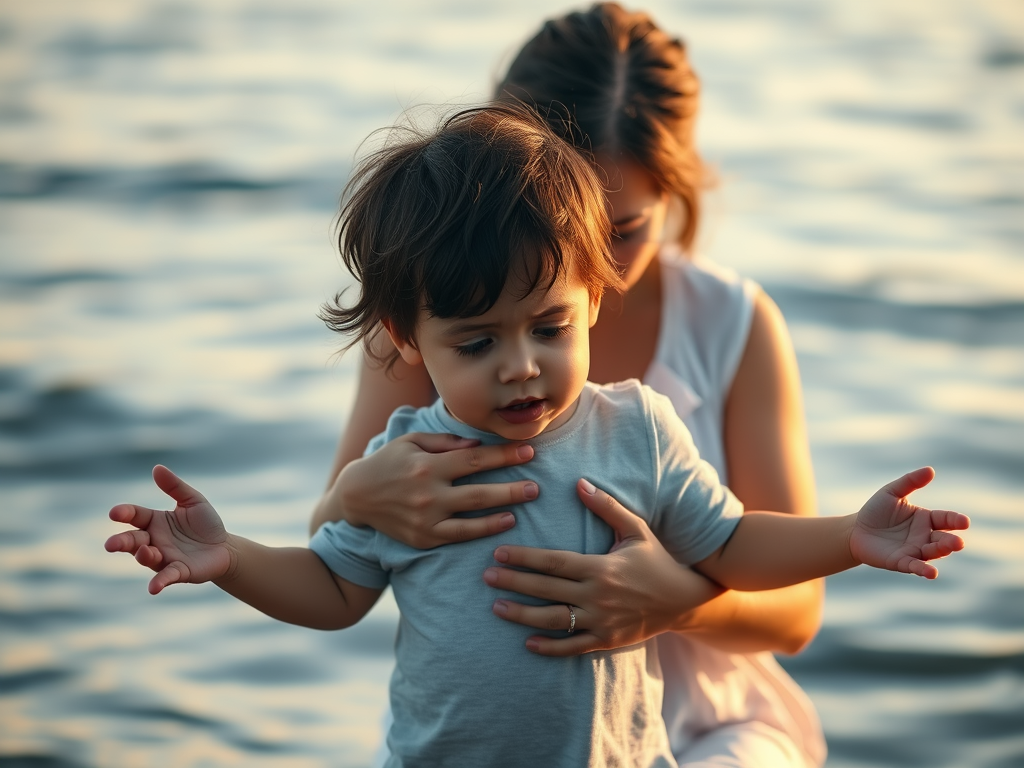
A child once stood with arms out wide,
Calling your name by the water’s side.
A woman wept into your chest,
You felt her warmth, then left the rest.

You carry love, and pain alike,
A flower’s fall, a lightning strike.
But do you know what you forget?
Or do you choose no past, no debt?
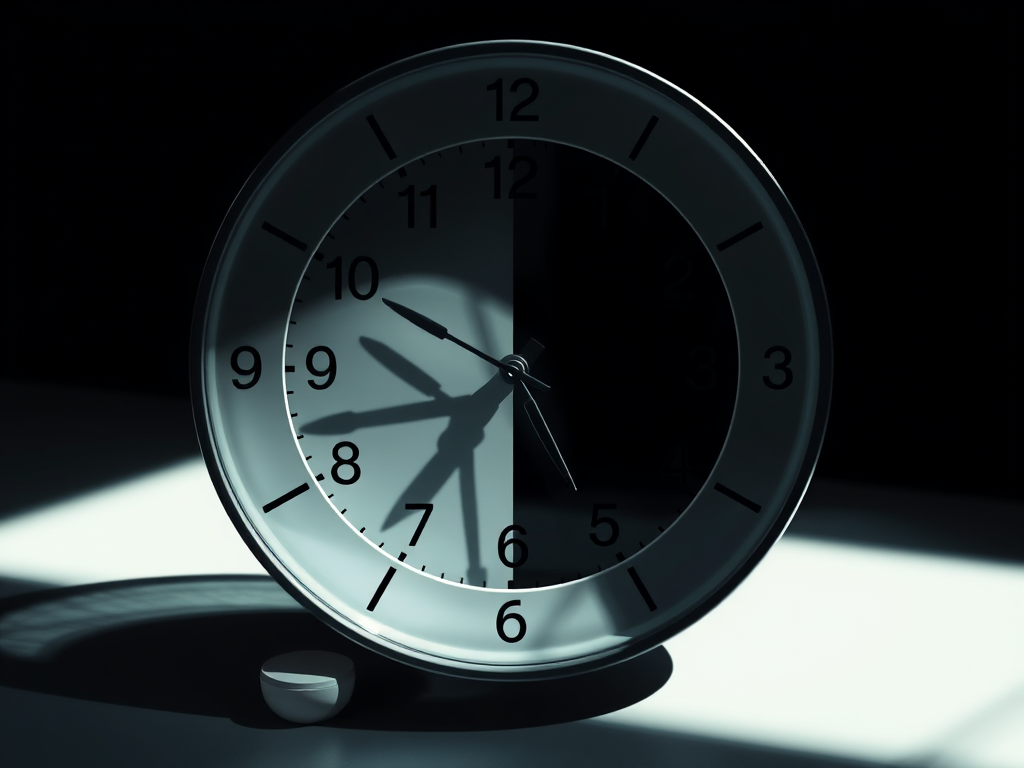
You do not wait, you do not stay,
You do not turn from night to day.
You hold no wound, you bear no mark,
Yet leave behind the deepest dark.

And still we stand with trembling breath,
At your edge, seeking life from death.
We ask of you what you can’t give,
The right to forget, and still to live.
You wash away both guilt and grace,
You never pause, you leave no trace.
We beg, we plead, but you move on,
By morning light, our stories gone.

What is a life if not your stream,
Half a memory, half a dream?
But we remember, you forget,
And that’s the weight we can’t reset.
Perhaps we envy the river not for its path, but for its peace, for the way it flows without memory, without burden. Yet maybe it envies us too, for our tears, for our songs, for how we love even when we know we’ll lose. In the end, the river forgets, but we remember. And somehow, that remembering becomes our way of flowing, through time, through silence, through sorrow. Still singing. Still here.
 Addy's Verse
Leave a comment